
Exploring the Mayan Ruins and Cenotes of the Yucatan Peninsula
No trip to the Yucatán is complete without plunging into a cenote and wandering among ancient Maya ruins. We flew into Cancún, picked up our rental, and drove the 131 kilometers to Tulum — about two and a half hours — where we spent three days exploring before continuing on to Bacalar for another three days.
The peninsula is famous for its luminous natural pools: cenotes. These cool, refreshing sinkholes form when limestone bedrock collapses and exposes underground rivers and caverns. Beyond their beauty and practical role supplying fresh water to Maya communities, cenotes were sacred spaces. The Maya often made offerings there to Chaac, their rain god, and treated openings to the watery underworld as portals to the afterlife. Swimming in one feels like stepping into a place that’s both ancient and alive.
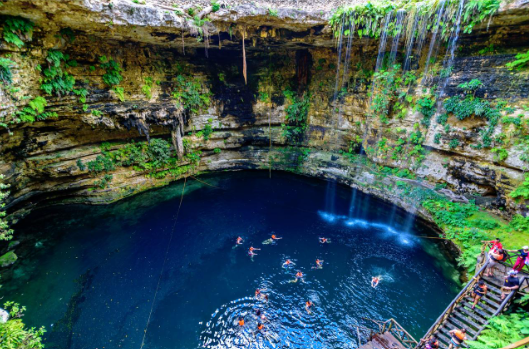
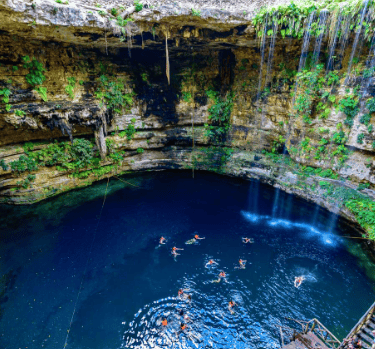
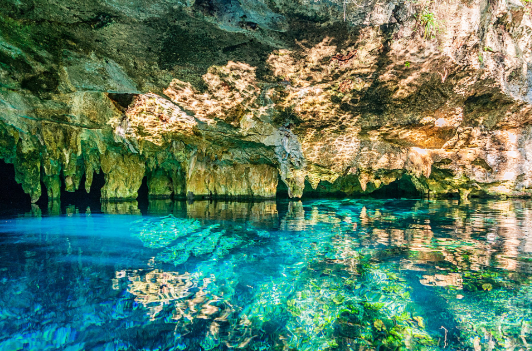
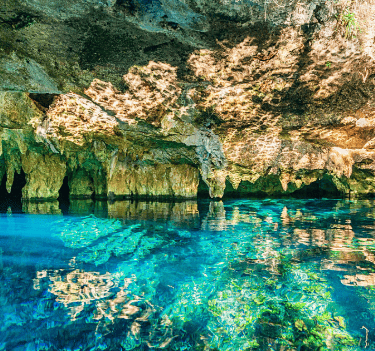
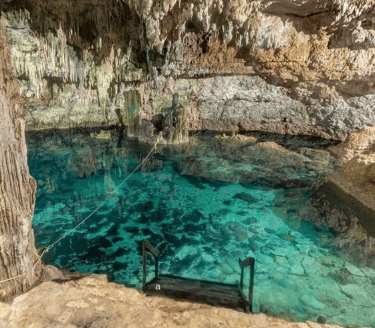
Gran - Cenote
Cenote - Dos Ojos
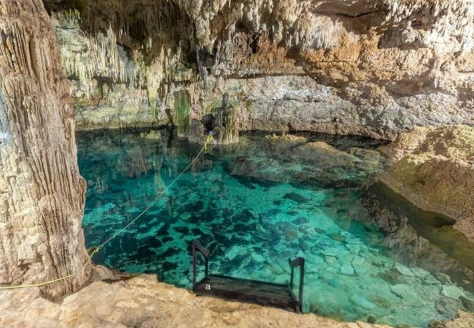
The Tulum area is famous for its stunning cenotes — natural sinkholes filled with crystal-clear, turquoise water — perfect for swimming, snorkeling, and diving. Notable cenotes nearby:
Gran Cenote: Just a few kilometers from Tulum, with cavern nooks, sunlit swimming areas, and excellent snorkeling among turtles and tropical fish.
Dos Ojos: Two interconnected sinkholes prized by divers; dramatic underwater caves and stalactites create an otherworldly dive.
Calavera: Nicknamed the “Temple of Doom,” a smaller, intimate cenote with a fun jumping platform and a more adventurous vibe.
Zacil-Ha: Family-friendly, pool-like setting with amenities and a zip line — great for a relaxed day out.
Carwash (Aktun Ha): Lush surroundings and calm waters make this a quieter spot for snorkeling and wildlife-spotting.
Cristal & Escondido: A pair of nearby cenotes that are less touristy, offering peaceful swimming and easy exploration.
Each cenote has its own character — from dramatic caverns to serene open pools — so try a mix to get the full experience.
The Tulum area is steeped in Maya history, with several spectacular ruins that draw visitors from around the world.
Tulum Ruins: Perched on cliffs above the turquoise Caribbean, Tulum is one of the few walled Maya cities — a dramatic mix of coastal views and ancient stone. Highlights include El Castillo, the Temple of the Frescoes, and the eerie relief of the Descending God.
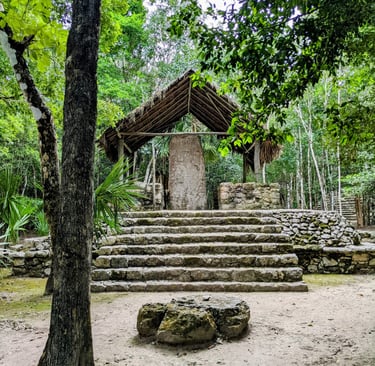
Coba: Roughly 45 minutes inland, Coba sprawls through dense jungle and is dominated by Nohoch Mul, one of the tallest Maya pyramids you can still climb. Rent a bike or explore on foot to feel the site’s expansive, adventurous vibe.
Muyil: Nestled inside the Sian Ka’an Biosphere Reserve and only about 20 minutes from Tulum, Muyil is quieter and more intimate. Its temples, woodland paths, and nearby lagoon make it a serene stop for nature lovers.
Chichén Itzá: A longer drive (about two hours) but worth it — this UNESCO World Heritage Site is home to the iconic El Castillo (Temple of Kukulcán), the Great Ball Court, and the Temple of the Warriors. Its scale and craftsmanship make it a must-see for history buffs.
These sites offer a vivid window into Maya life — from coastal trading centers to jungle cities and ceremonial hubs. Plan for early mornings to avoid heat and crowds, and bring comfortable shoes, water, and sun protection.
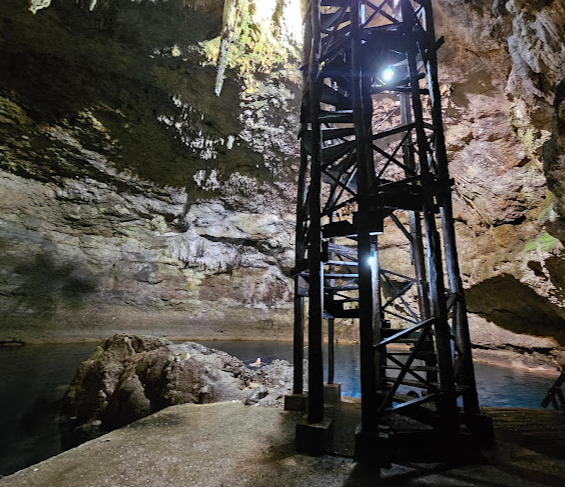
We took a day trip to the Coba ruins and visited two nearby cenotes — Cenote Choo Ha and Cenote Tankach -Ha — which made for a perfect mix of history and swimming. It’s about a 45-minute drive from Tulum; we spent several hours exploring the sprawling pyramid at Coba and cooling off in the crystal-clear water of both cenotes before heading back to Tulum. The combination of jungle ruins and secluded sinkholes felt like discovering two very different sides of the Yucatán in one day.
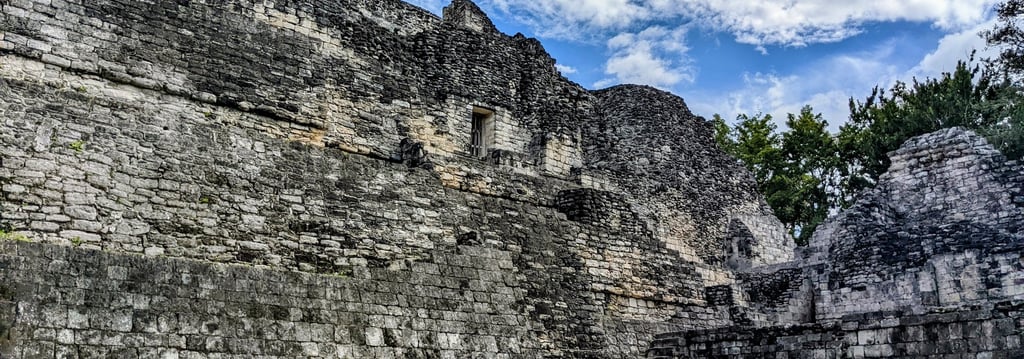
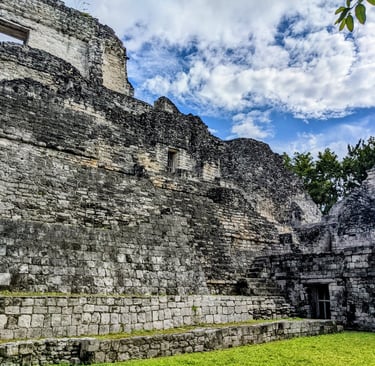
From Cenotes to Ancient Mayan Ruins
Cenotes and Ruins: Discover Mexico's Hidden Mayan Treasures
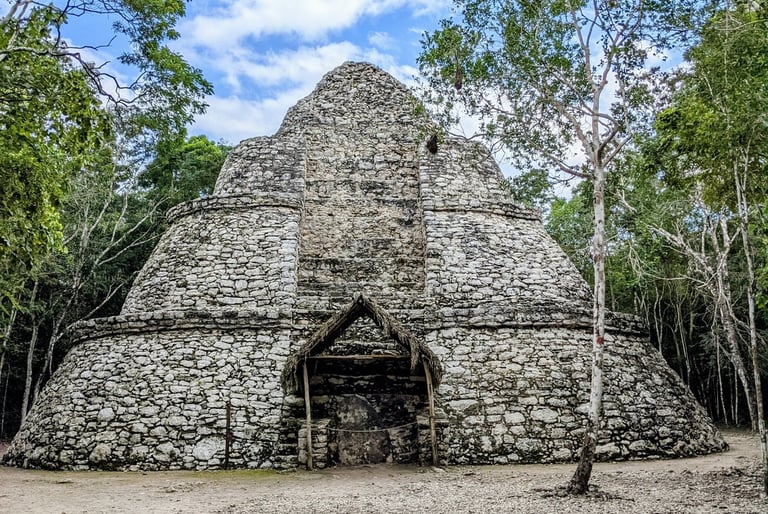
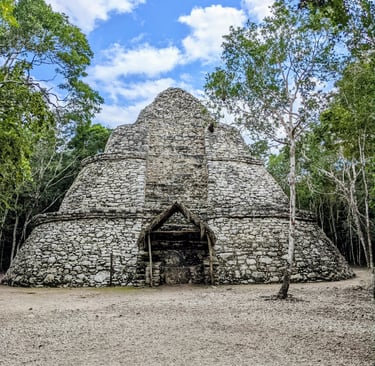

After three days in Tulum—exploring ruins and cenotes, lounging on the beaches, and sampling amazing restaurants and outdoor markets—we made the three-hour drive to Bacalar.
Bacalar, famous for its "Lagoon of Seven Colors," is also home to several beautiful cenotes worth exploring:
Cenote Azul: A large open cenote with deep, clear blue water — ideal for swimming, cliff-jumping, and relaxing amid lush vegetation.
Cenote Cocalitos: Near the lagoon, known for visible stromatolites (ancient microbial formations); calm, shallow areas are perfect for wading and observing nature.
Cenote Esmeralda: Part of the Bacalar system, named for its vivid emerald-green water — a peaceful spot for a swim and photos.
Cenote Negro (Black Cenote): Noted for its darker, deeper water that contrasts strikingly with the lighter lagoon hues; great for a dramatic dip.
Cenote La Bruja (Witch’s Cenote): A quieter, more secluded cenote framed by mangroves — ideal for those seeking solitude and nature.
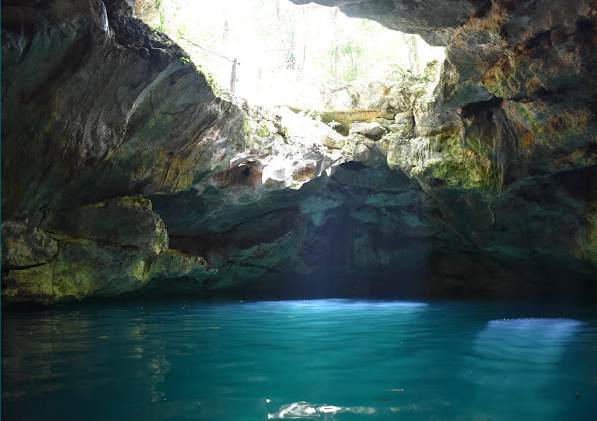
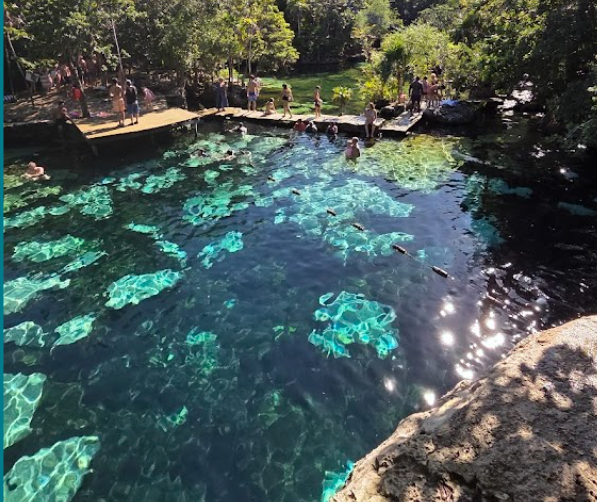
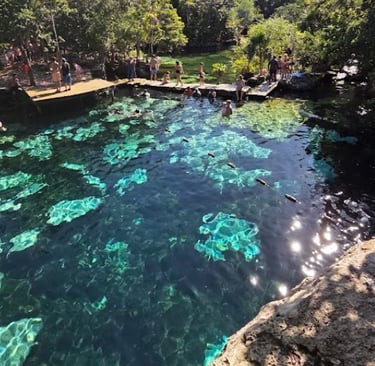
Cenote Azul
Cenote Esmeralda
The Bacalar area is surrounded by fascinating Maya ruins that offer a window into the region’s rich history. Key sites near Bacalar:
Kohunlich (≈1 hour): One of the region’s most significant sites, famed for the Temple of the Masks with its large stucco Sun God faces. Set in lush jungle, it feels serene and immersive.
Dzibanché (≈1.5 hours): A large, impressive site of pyramids and plazas, including the Temple of the Owl and the Temple of the Captives. Fewer visitors make it great for quiet exploration.
Kinichná (near Dzibanché): A smaller neighboring site whose name means “House of the Sun,” featuring a prominent acropolis and jungle views; often visited together with Dzibanché.
Chacchoben (≈45 minutes): Easily accessible from Bacalar, with well-preserved temples and pyramids such as the Gran Basamento, set amid dense vegetation.
Bécan (≈2 hours): Noted for its defensive moat system (its name refers to a water-cut ravine), Bécan offers pyramids, plazas, and residential areas in a quieter, less touristed setting.
These sites make excellent day trips from Bacalar for history lovers and those who enjoy exploring off-the-beaten-path archaeological parks.
We decided to make the two-hour drive out to Bécan — an impressive, sprawling Maya site that felt wonderfully quiet since few visitors make the trek. Back in Bacalar we spent plenty of time at the lagoon, explored the 18th-century Fort of San Felipe, and sampled the town’s many restaurants. Bacalar is a much quieter, less touristy corner of Mexico (roughly a five-hour drive from Cancún’s airport), though the new Tulum airport has made the Riviera Maya more accessible for travelers.
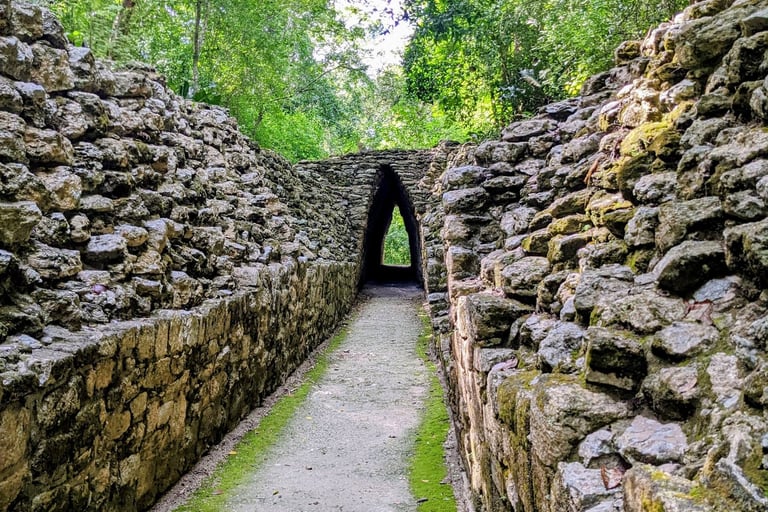
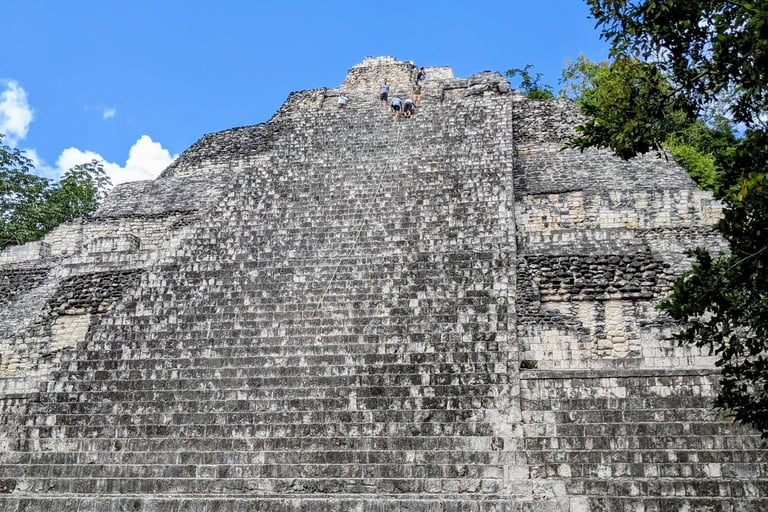
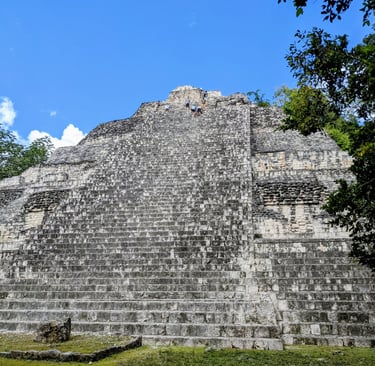
The Yucatán is astounding in scale: there are an estimated 6,000+ cenotes across the peninsula and roughly 4,400 Maya archaeological sites, only a fraction of which have been fully excavated or opened to the public. That mix of hidden natural wonders and layered human history is what makes visiting the peninsula so addictive.
If you’d like help planning a trip to this region — tailored routes, must-see cenotes, ruin itineraries, or logistics like driving times and airport options — I can put together an itinerary based on your interests and timeline. Reach out and we’ll start planning your Yucatán adventure.
Where would you like to go next?
Your Next Adventure Starts Here!
Step One:
Allow me to get to know you better. Fill out the client form and let me know what kind of adventure you are looking to have. The more detailed the better, I want to make sure we get this right.
Step Two:
You will receive via email your personal vacation itinerary and we will schedule a time to go over the trip plans I have made for you. We can do this as many times as you need until we have crafted your perfect vacation!
All that's left is to set up payment and start packing! But expect emails from me as your trip gets closer; I want to make sure you have all the details and are fully prepared for an amazing adventure!
Step Three: